Colorectal Cancer

Colorectal Cancer

Contact Us

Visit Us

MyChart

Colorectal Cancer Screening Saves Lives

Early Detection is the Best Protection

When found early, colorectal cancer is one of the most preventable and treatable cancers. Regular screening can detect precancerous polyps before they become cancer or identify cancer at an early stage treatment is most effective.


Whether you’re approaching screening age or have a family history of colorectal cancer, taking action today can protect your future health.

What Is Colorectal Cancer? 
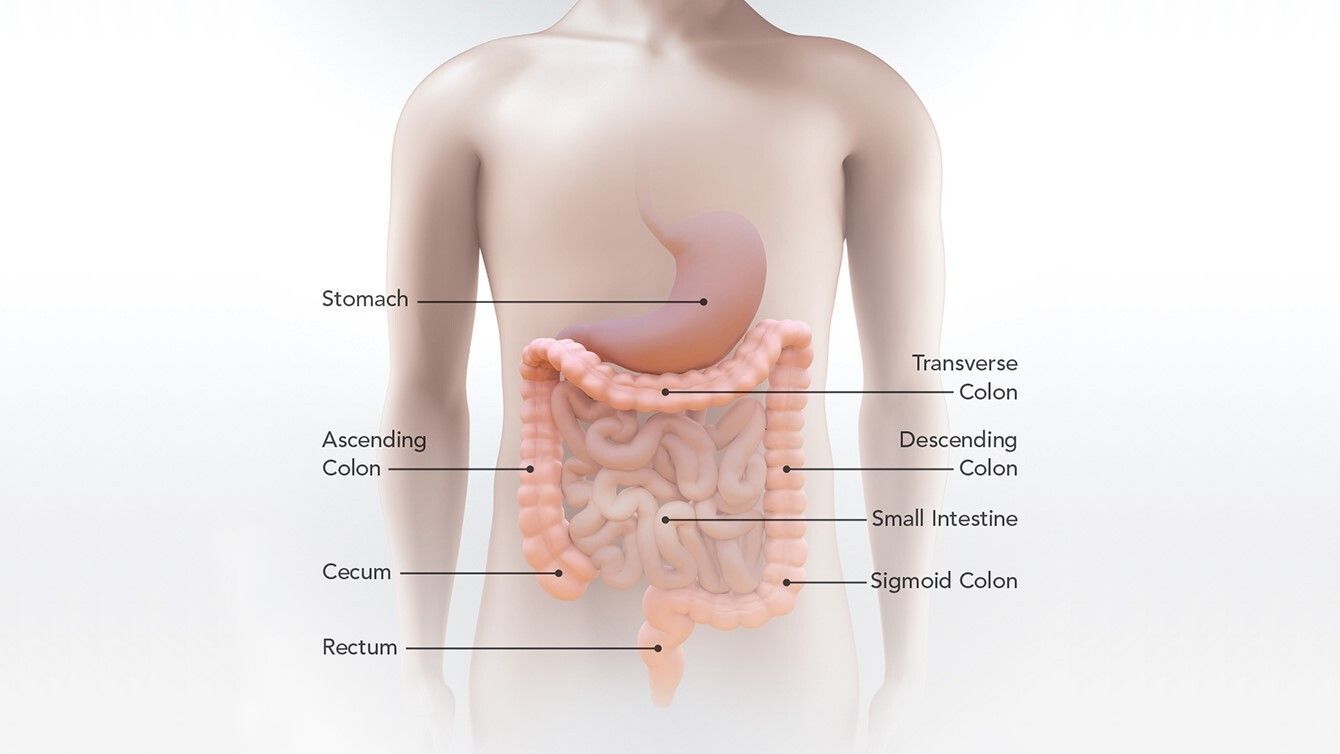
Location of the stomach, small intestine, cecum, ascending colon, transverse colon, descending colon, sigmoid colon, and rectum.

Location of the stomach, small intestine, cecum, ascending colon, transverse colon, descending colon, sigmoid colon, and rectum.

Colorectal cancer begins in the colon or rectum, which are parts of the digestive system. Over time, it can often develop slowly from abnormal growths called polyps. Many people experience no symptoms in the early stages, which is why routine screening is so important.

Common Signs and Symptoms May Include:

Changes in bowel habits 

Blood in the stool 

Persistent stomach discomfort 

Unexplained weight loss 

Fatigue or weakness 

If you experience any of these symptoms, talk with your healthcare provider.

Who Should Get Screened?

Screening is recommended for most adults beginning at age 45, but some individuals may need to start earlier based on personal or family history.

You May Be at Higher Risk If You:

Have a family history of colorectal cancer or polyps 

Have inflammatory bowel disease (IBD) 

Smoke or use tobacco

Are overweight or physically inactive 

Have a diet high in processed or red meats 

Talk to your provider about the screening schedule that’s right for you.

Screening Options

There are several safe and effective screening methods available. Your healthcare provider can help determine which option is best for you.

Common Screening Tests Include:

Colonoscopy – Examines the entire colon and can remove polyps during the procedure 

Stool-Based Tests – Simple at-home tests that check for hidden blood or abnormal DNA 

Flexible Sigmoidoscopy – Examines the lower part of the colon 

CT Colonography – Specialized imaging test of the colon 

Regular screening can prevent colorectal cancer before it starts.

Why Early Detection Matters

When colorectal cancer is found early, the 5-year survival rate is significantly higher. Unfortunately, many people delay screening because they feel healthy or are nervous about the process.

The Good News:

Most screenings are quick and routine 

Some tests can be done at home 

Early detection often means less invasive treatment 

Screening can actually prevent cancer 

Taking a proactive step today could save your life tomorrow.

Take the First Step Toward Prevention

Your health matters. Scheduling a colorectal cancer screening is one of the most important things you can do for yourself and your loved ones.

Ready to Get Screened?

Schedule an appointment with your provider 

Ask about at-home screening options 

Learn your personal risk factors 

Encourage family members to get screened too

Early detection starts with you

Protect your health with preventive care and peace of mind.

Frequently Asked Questions

We are part of your community and are ready to help you! See below some of the frequently asked questions we get. If you can not find the answer to you question here, please call us at 203-503-3000.
  • Who can visit us?

    Anyone and everyone. No matter who you are, you can seek help for your healthcare needs with us.

  • How do I make an appointment?

  • Is Cornell Scott-Hill Health Center a free clinic?

    No, we are not a free clinic. We provide healthcare services for a fee. However, because we are a Federally Qualified Health Center, we are able to offer reduced rates to people without insurance as long as they qualify based on income and family size.

  • How much do your services cost?

    Costs will vary based on your specific situation. We accept all insurance including Medicare, Medicaid (Title 19), HUSKY, Charter Oak, and most commercial insurance plans. For anyone without health insurance, we offer services on a sliding-fee scale, which means you pay only what you can. We also can provide assistance with access to State support and services.

  • How can I give feedback about my experience here?

    You may fill out a comment card located in the reception area or right on this website each service can be rated.

  • How can I obtain my medical records?

    Requests for the release of health record information can be made here: https://www.cornellscott.org/request-medical-records or by phone: 203-503-3140

  • How can I know if the center is delayed or closed due to severe weather?

    Our 24/7 facility SCRC will remain open during severe weather. To find out if there are delays or closings at any of our other sites go to:


    Channel 3: WFSB Early Warning Network - www.wfsb.com


    Visit our site at: www.cornellscott.org